
When Your Skincare Routine Needs a Professional: Signs It Is Time for a Medical Skincare Consultation

If your skincare routine has stopped producing results, your skin may need more than better products. A medical skincare consultation provides the clinical assessment and customized plan that over-the-counter products cannot offer.
How PRP Hair Restoration Works: The Science Behind Platelet Therapy for Thinning Hair
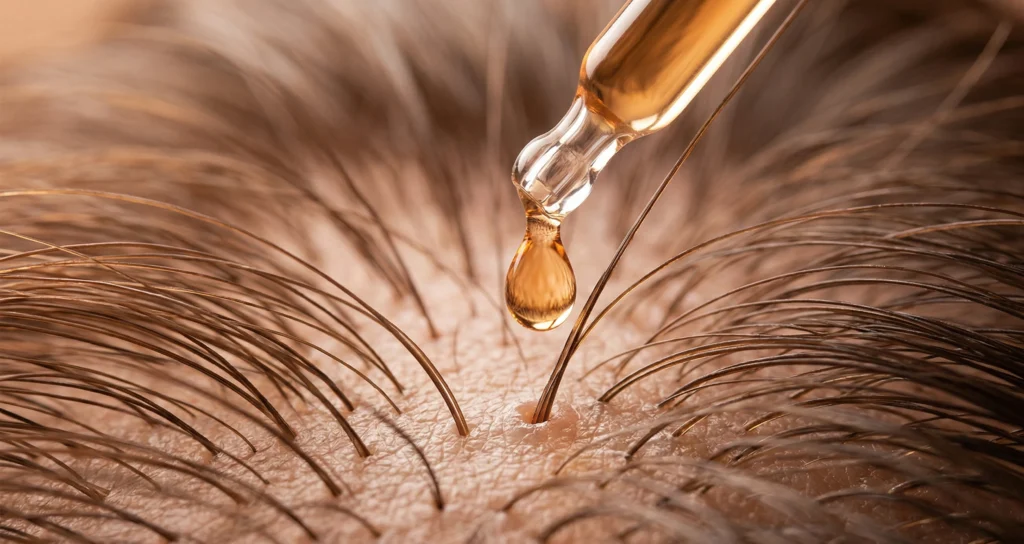
PRP hair restoration uses your body’s own growth factors to stimulate weakened hair follicles back into active growth. Learn how the treatment works, who it helps, and what to expect from a treatment series.
What Are Skin Boosters and How Do They Differ From Fillers

Skin boosters and dermal fillers both use hyaluronic acid, but they serve very different purposes. Learn how skin boosters improve hydration and skin quality without adding volume, and how to choose the right treatment for your concerns.
Sculptra Injections: How Collagen Building Works Differently Than Traditional Fillers

Sculptra does not fill wrinkles. It triggers your body to build its own collagen over time. Learn how this biostimulator works differently than hyaluronic acid fillers, what it treats, and who benefits most from the gradual approach.
When We Tell Patients No (And Why It’s Part of Good Care)

84% of plastic surgeons report refusing surgery on patients they suspect have body dysmorphic disorder. Here’s when ethical practitioners decline treatment and why saying no is part of responsible care.
How Instagram Aesthetics Are Homogenizing Faces (And Why That’s a Problem)

Everyone on Instagram is starting to look the same. Research shows social media filters are driving demand for procedures that replicate a single template rather than enhance individual features.
Why “Preventative Botox” in Your 20s Is Mostly Marketing

The twin study gets cited to justify early Botox, but it started at age 25 with visible wrinkles. Here’s what the evidence actually shows about “preventative” treatment and when it makes sense.
Why Your Skincare Routine Stopped Working After 40

The same products that worked at 35 stop delivering at 45. Here’s the biology behind why your skin changed, what topicals can still do, and when professional treatments become necessary.
Why “Non-Invasive” Means Almost Nothing in Medical Aesthetics

The term “non-invasive” has no standardized definition and groups together treatments with vastly different risks. Here’s why the label obscures more than it reveals and what questions actually matter.
How Much Filler Do Women in Their 40s Actually Need?
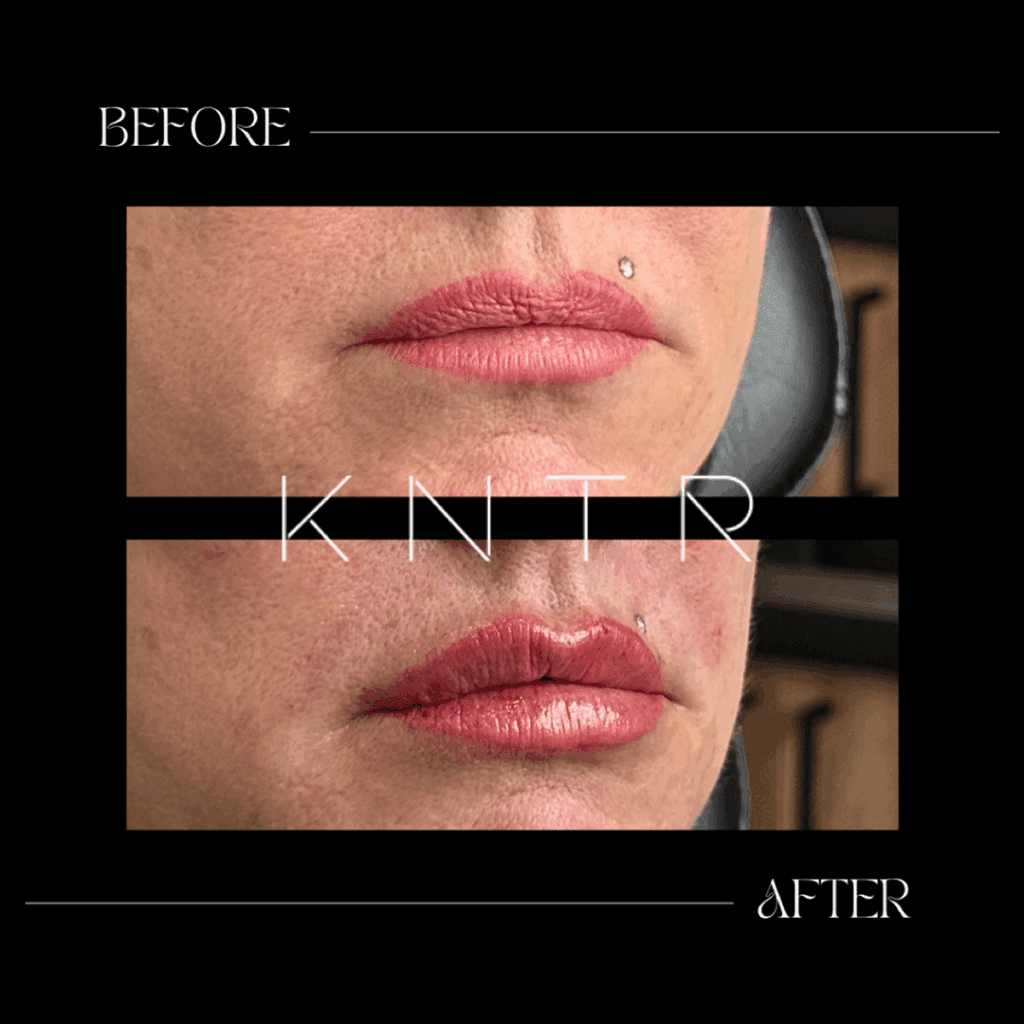
Clinical research shows women in their 40s typically need 3 to 5 syringes for meaningful rejuvenation. Learn what the data says about filler volumes by area and how to avoid the overfilled look.