Skip to content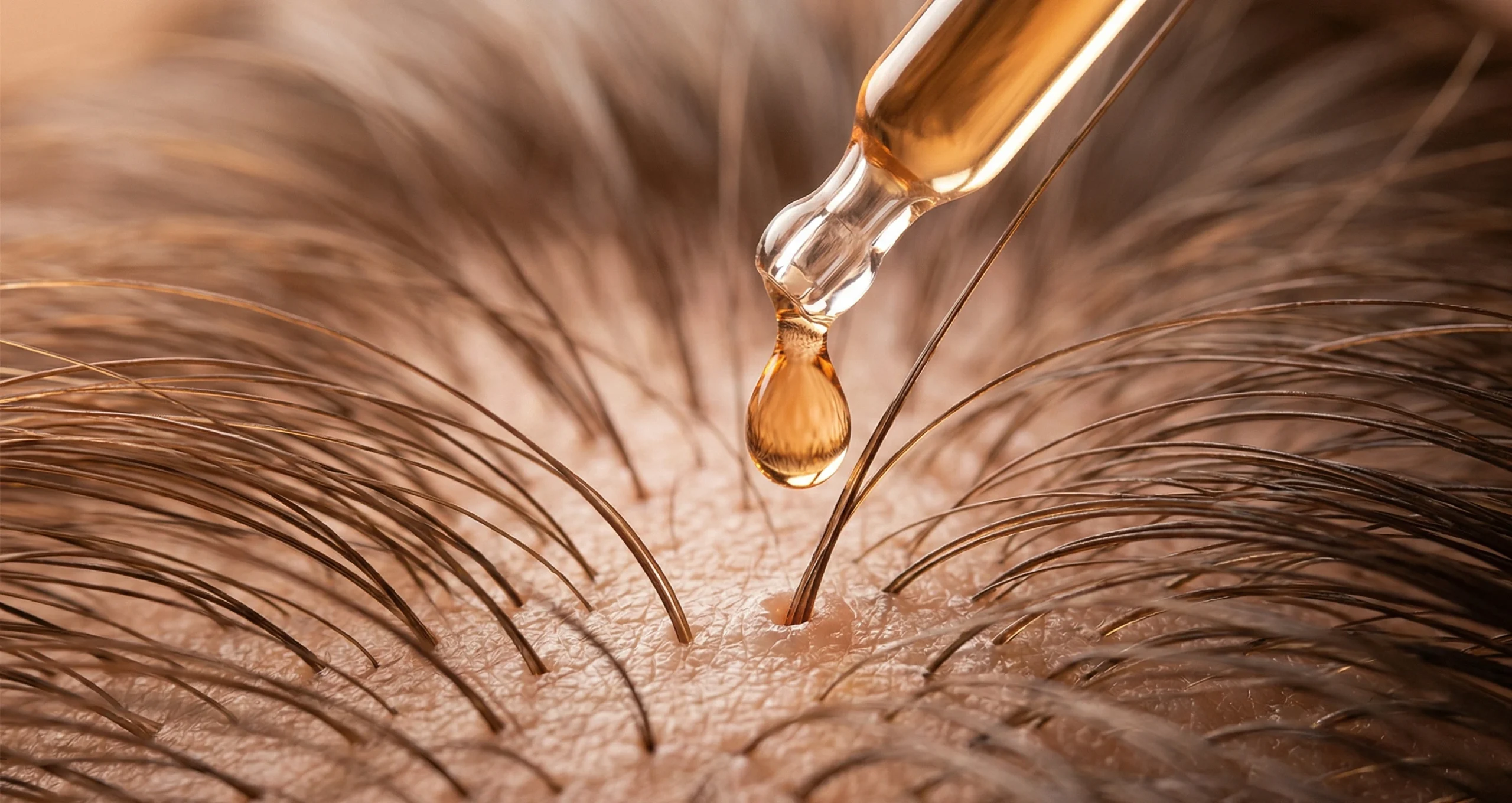
Hair thinning is one of those concerns that people notice long before they talk about it. You see more scalp in photos. Your ponytail feels thinner. The part line keeps getting wider. You start adjusting how you style your hair to cover areas that used to cover themselves.
For a long time, the options for thinning hair were limited: topical minoxidil, oral medications with side effects, or surgical hair transplants. PRP (platelet-rich plasma) therapy has added another option to that list, one that works with your body’s own biology rather than introducing external chemicals or requiring surgery.
At Kontour Medical Aesthetics, PRP hair restoration is one of our clinical offerings for clients experiencing early to moderate hair thinning. Here is how the treatment actually works, who it helps, and what it cannot do.
PRP stands for platelet-rich plasma. It is a concentrated portion of your own blood.
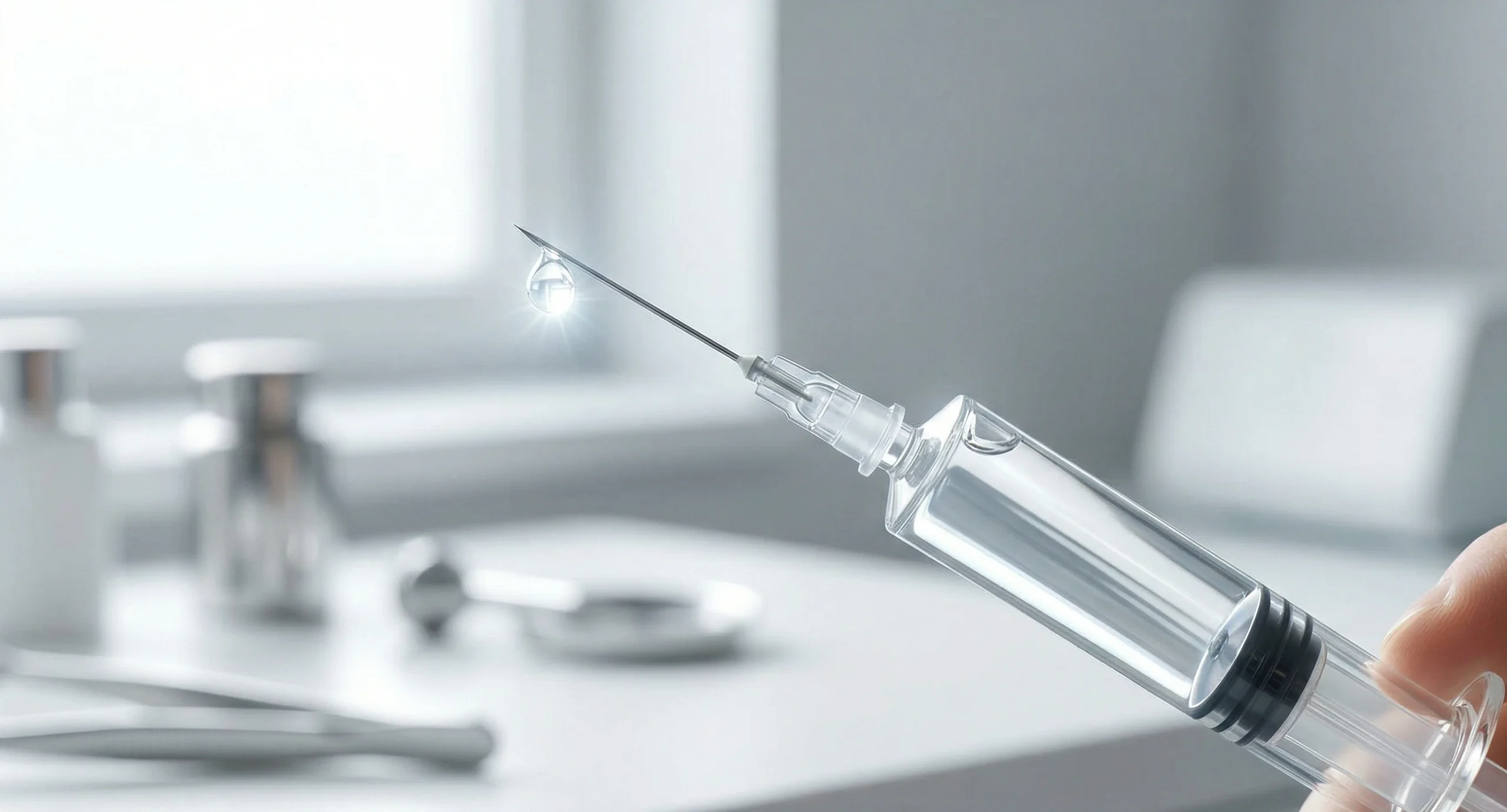
Here is the process: a small amount of blood is drawn from your arm, similar to a standard blood test. That blood is placed in a centrifuge, which spins it at high speed to separate the components. Red blood cells settle to the bottom. Plasma rises to the top. And in between sits the platelet-rich layer, containing a high concentration of growth factors and signaling proteins.
This concentrated platelet layer is what gets injected into the treatment area. Because it comes from your own blood, there is no risk of allergic reaction or rejection.
Platelets are not just involved in clotting. They carry growth factors that play a role in tissue repair and regeneration. When PRP is injected into the scalp at the level of the hair follicles, those growth factors interact with the cells surrounding each follicle.
The mechanism involves several pathways. Growth factors like PDGF (platelet-derived growth factor) and VEGF (vascular endothelial growth factor) stimulate blood vessel formation around the follicle, improving nutrient delivery. They also promote the proliferation of dermal papilla cells, which are the cells at the base of each hair follicle responsible for regulating the growth cycle.
In simpler terms: PRP sends signals to weakened follicles encouraging them to stay in the active growth phase longer, produce thicker hair strands, and transition out of the dormant phase more quickly.
This is why PRP tends to work best on follicles that are miniaturizing (producing thinner, weaker hairs) rather than follicles that have died completely. It is a treatment for thinning, not for baldness.
A PRP hair restoration session at Kontour typically takes about 60 to 90 minutes.
The blood draw takes a few minutes. Processing the blood in the centrifuge takes roughly 10 to 15 minutes. The injection phase involves a series of small injections across the treatment area on the scalp. A topical numbing agent is applied before the injections to reduce discomfort.
Most clients describe the sensation as mild pressure with occasional pinching. It is not comfortable, but it is tolerable. There is no incision, no stitching, and no general anesthesia.
After the session, you can return to normal activities. Most people go back to work the same day. You may experience mild tenderness or redness at the injection sites for a day or two.
PRP hair restoration is not a one-and-done treatment. Most protocols involve an initial series of three to four sessions spaced four to six weeks apart. After the initial series, maintenance sessions are typically recommended every six to twelve months.
Results are gradual. Because PRP works by influencing the hair growth cycle, you will not see changes overnight. Most clients begin to notice reduced shedding within the first few weeks. Visible improvements in hair thickness and coverage typically become apparent around three to six months after the initial series.
This timeline can test your patience. But hair grows slowly, and treatments that claim immediate results for hair thinning are either misleading or temporary.
PRP hair restoration works best for people experiencing early to moderate hair thinning. This includes:
The common thread is that the hair follicles are still alive but underperforming. PRP provides the biological stimulus to push those follicles back into a productive growth phase.
PRP hair restoration has limitations. It is not the right treatment for everyone.
People with advanced baldness where the follicles have been dormant for years are unlikely to see meaningful results. If there is no follicle left to stimulate, growth factors cannot create one from nothing.
People with active scalp infections, certain blood disorders, or those taking blood-thinning medications may not be suitable candidates. Autoimmune conditions that affect the scalp (like alopecia areata) may respond to PRP in some cases, but the results are less predictable.
A thorough consultation is the only reliable way to determine whether PRP is appropriate for your specific situation. At Kontour, that assessment happens before any treatment is booked.
Minoxidil (the active ingredient in Rogaine) works by increasing blood flow to the follicle. It is applied topically and needs to be used continuously for results to persist. It is accessible and affordable, but it does not address the underlying growth factor signaling the way PRP does.
Finasteride is an oral medication that blocks DHT, the hormone responsible for follicle miniaturization in pattern hair loss. It is effective for many people but carries potential side effects that some clients prefer to avoid.
Surgical hair transplants physically relocate follicles from donor areas to thinning areas. They produce permanent results but involve a surgical procedure, significant cost, and recovery time.
PRP sits in a middle ground. It is less invasive than surgery, does not carry the systemic side effects of oral medications, and works through a biological mechanism that topical treatments do not address. Many practitioners recommend PRP alongside other treatments rather than as a replacement, because the approaches work through different pathways.
Honesty matters here. PRP is not a cure for hair loss. It does not reverse advanced baldness. It does not work for everyone. And it requires ongoing maintenance to sustain results.
Published research on PRP for hair restoration is growing, but the field is still relatively young. Study sizes tend to be small, protocols vary between providers, and long-term data beyond a few years is limited. The results we see in our clinic are encouraging, but they are not guaranteed.
What PRP does well is slow the progression of thinning and improve the quality and density of existing hair in people who are appropriate candidates. For many clients, that is exactly what they need to feel like their hair looks and feels healthy again.
If you have been noticing more hair in your brush, a wider part line, or thinning that makes you adjust how you style your hair, it is worth having a conversation about your options. PRP therapies are one of several approaches, and the right treatment depends on the cause, the stage, and your individual health profile.
Contact Kontour Medical Aesthetics to schedule a consultation. We will assess your hair thinning, discuss whether PRP is a good fit, and give you a clear picture of what to expect before you commit to anything.
Stay informed with expert insights, treatment guides, and the latest developments in medical aesthetics from Nurse Practitioner Belita Savage.