Skip to content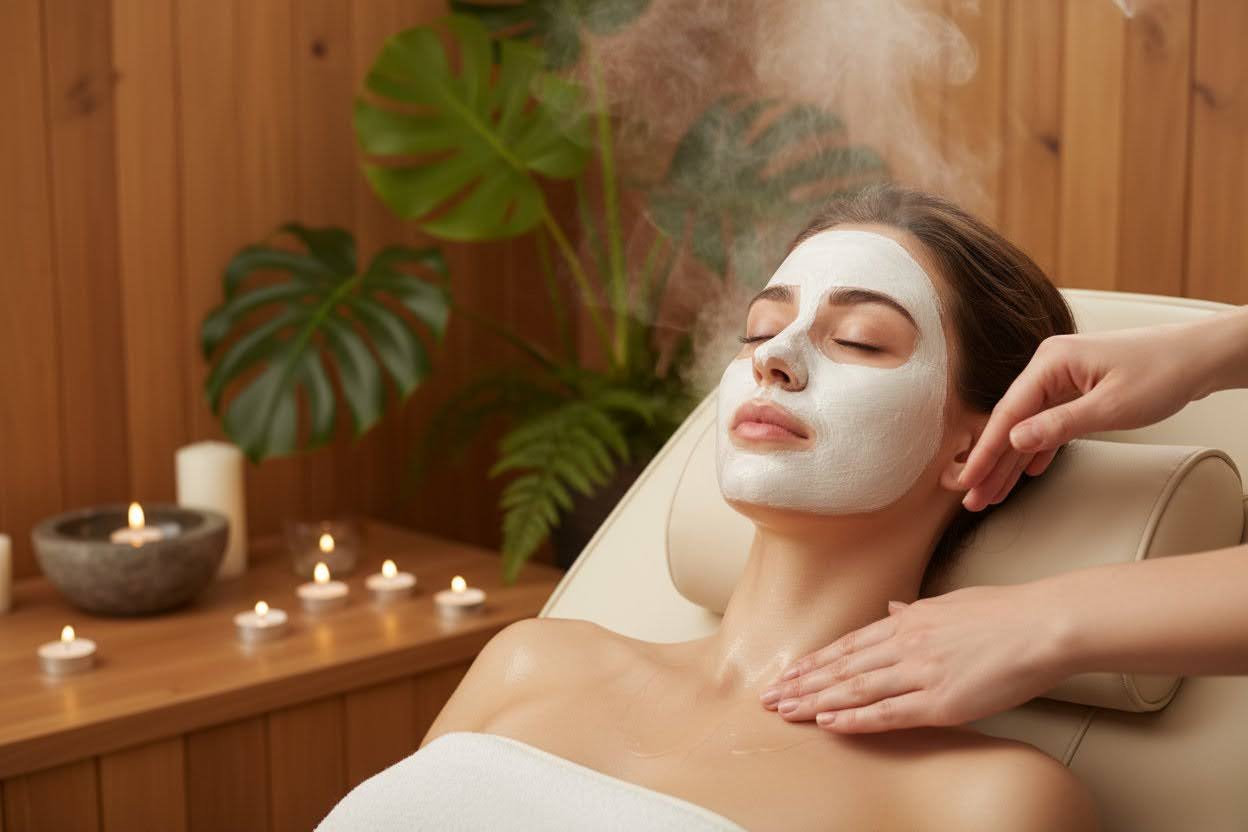
When you think about facials, you might wonder what they really do for your skin. A facial goes beyond mere pampering; it’s a targeted treatment designed to cleanse, exfoliate, and hydrate. This all-encompassing approach can address a variety of skin concerns, from dryness to acne and aging. Understanding the specific benefits of each step in the process can help you appreciate how facials contribute to a healthier complexion. Let’s explore the essential aspects of facials and their impact on your skin.
Facials are essential skincare treatments designed to enhance your complexion and address specific skin concerns. You’ll find various facial types, each tailored to meet different needs, such as hydration, anti-aging, or acne treatment. Generally, a standard facial lasts between 30 to 90 minutes, depending on the type you choose and the specific treatments included. During this time, skin analysis, cleansing, exfoliation, and moisturizing occur, helping you achieve a refreshed appearance. Knowing the treatment duration can help you plan your schedule effectively. It’s important to communicate your skin concerns with your esthetician, ensuring you receive the most suitable facial type for your needs. This personalized approach maximizes the benefits, leaving your skin rejuvenated and radiant.
One of the standout options among facial treatments is deep cleansing, which offers numerous benefits for your skin. By utilizing effective deep cleansing techniques, you can remove impurities, excess oil, and dead skin cells that accumulate over time. This process not only refreshes your complexion but also helps to unclog pores, reducing the likelihood of breakouts. Additionally, deep cleansing strengthens your skin barrier, allowing it to function at its best. When your skin barrier is healthy, it better protects against environmental stressors and retains moisture more effectively. You’ll notice improved skin texture and a radiant glow after treatment. Ultimately, incorporating deep cleansing into your skincare routine can lead to clearer, healthier skin that feels revitalized and rejuvenated.
Though often overlooked, exfoliation plays an essential role in maintaining healthy skin by removing dead skin cells and promoting cell turnover. By using effective exfoliation techniques, you can reveal a brighter, smoother complexion. Regular exfoliation helps to unclog pores, preventing breakouts and allowing your skincare products to penetrate deeper and work more effectively. You can choose from physical exfoliants, like scrubs and brushes, or chemical exfoliants, such as alpha-hydroxy acids and beta-hydroxy acids, depending on your skin type. It’s vital to avoid over-exfoliating, as this can lead to irritation and damage. Incorporating exfoliation into your skincare routine just a couple of times a week can make a significant difference, leaving your skin looking fresh and revitalized.
Proper hydration is essential for maintaining healthy skin, as it directly impacts moisture retention and overall complexion. During a facial, professionals often use various hydration techniques to guarantee your skin receives the moisture it craves. This can include the application of serums and oils that penetrate deeply, nourishing your skin from within. Additionally, moisture masks play a vital role, providing an intensive boost of hydration that can leave your skin feeling plump and rejuvenated. These treatments not only help to combat dryness but also improve elasticity and resilience. By incorporating effective hydration techniques and moisture masks into your skincare regimen, you can enhance your skin’s ability to retain moisture, achieving a radiant and glowing complexion.
When you seek to address specific skin concerns, understanding the unique needs of your skin is essential. Each skin type—whether oily, dry, combination, or sensitive—requires tailored solutions. Targeted treatments, such as chemical peels for acne or serums rich in antioxidants for aging, can effectively tackle your particular issues. A professional facial can analyze your skin’s condition, allowing for the application of products that penetrate deeply and deliver maximum benefits. Ingredients like hyaluronic acid or salicylic acid may be employed based on your skin type, ensuring that you receive the care best suited to your needs. By focusing on specific concerns, you can achieve clearer, healthier skin and enhance your overall complexion.
While you focus on enhancing your skin’s appearance, don’t overlook the profound impact that relaxation and stress relief can have on your overall well-being. Facials provide a perfect opportunity to incorporate mindfulness techniques, allowing you to center your thoughts and embrace the present moment. As you indulge in soothing treatments, the calming atmosphere encourages you to let go of daily stressors.
Additionally, many facials utilize aromatherapy benefits, where essential oils are chosen not only for their skin-enhancing properties but also for their ability to promote relaxation. The gentle scents can reduce anxiety, elevate mood, and create a sense of tranquility. Ultimately, this holistic approach to skincare nurtures both your skin and your mind, leading to a more balanced, rejuvenated you.
Boosting circulation is essential for maintaining vibrant, healthy skin, as it guarantees that nutrients and oxygen reach your skin cells effectively. When you undergo a facial, various techniques stimulate blood flow, enhancing your skin’s overall health. Improved circulation not only nourishes your skin but also promotes skin rejuvenation by encouraging the removal of toxins and waste products. This process helps reduce inflammation and supports collagen production, leading to a more youthful appearance. Additionally, increased blood flow can result in a natural glow, making your complexion look revitalized. Regular facials can greatly contribute to long-term skin health, ensuring that your skin remains radiant and resilient against environmental stressors. Embracing this practice can be a transformative step in your skincare routine.
Professional products play an essential role in enhancing the efficacy of facial treatments, as they are specifically formulated to deliver potent ingredients that target various skin concerns. When you choose a facial, the product selection matters considerably. Professional ingredients, such as peptides, antioxidants, and hyaluronic acid, penetrate deeper layers of the skin, providing more effective results than over-the-counter options. These products are often backed by research, guaranteeing they meet high standards for safety and performance. Furthermore, estheticians can tailor their application techniques to maximize the benefits of these professional products. By understanding the importance of quality ingredients and proper selection, you can guarantee your facial treatment effectively addresses your unique skin needs, leading to improved overall skin health.
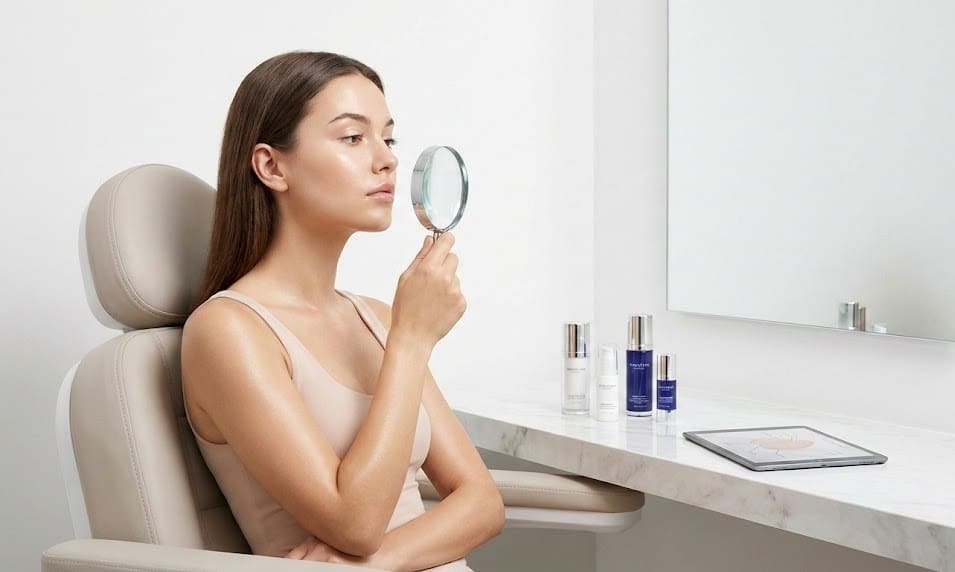
When it comes to facial treatments, customization is key to achieving ideal results tailored to your unique skin type and concerns. A thorough skin type analysis is the first step in this process. It helps identify whether you have dry, oily, sensitive, or combination skin, allowing for targeted treatment personalization. Based on this analysis, professionals can choose specific products and techniques that address your individual issues, such as acne, aging, or dehydration. Additionally, they can adjust the treatment intensity and duration to suit your comfort level and desired outcomes. By prioritizing customization, you guarantee that your facial not only feels rejuvenating but also delivers effective, lasting results for your skin’s health and appearance.
Incorporating facials into your skincare routine can greatly enhance your skin’s health and appearance. To achieve the finest results, consider scheduling facials bi-weekly or monthly, depending on your skin’s needs and your weekly schedule. This frequency allows your skin to rejuvenate without overwhelming it. When selecting products for at-home maintenance, choose those that complement the treatments you receive. For instance, if your facial focuses on hydration, opt for a hydrating cleanser and moisturizer. Always consult with your skincare professional about product selection to guarantee compatibility with your skin type. Regular facials, combined with appropriate home care, create a balanced routine that can considerably improve texture, tone, and overall radiance. Embrace this holistic approach for ideal skin health.
You should get a facial every four to six weeks for ideal results. However, your skin type may require adjustments; consult with a professional to determine the best facial frequency tailored to your needs.
Yes, facials can help with acne scars. They often incorporate specialized acne treatments, promoting scar reduction through exfoliation, hydration, and targeted ingredients. Regular treatments can greatly improve your skin’s texture and appearance over time.
Yes, facials can be safe for sensitive skin if you choose gentle facial products. Always consult a professional, patch test products, and communicate your skin concerns to guarantee a soothing and effective experience.
Before your facial appointment, focus on pre-facial preparation by maintaining your usual skincare routine. Avoid harsh products or treatments, and stay hydrated. This helps your skin be in the best condition for ideal results.
At-home facials can be effective for maintenance, but they often lack professional techniques that target specific skin concerns. DIY treatments might not achieve the same results as tailored approaches from trained estheticians.
Stay informed with expert insights, treatment guides, and the latest developments in medical aesthetics from Nurse Practitioner Belita Savage.