Skip to content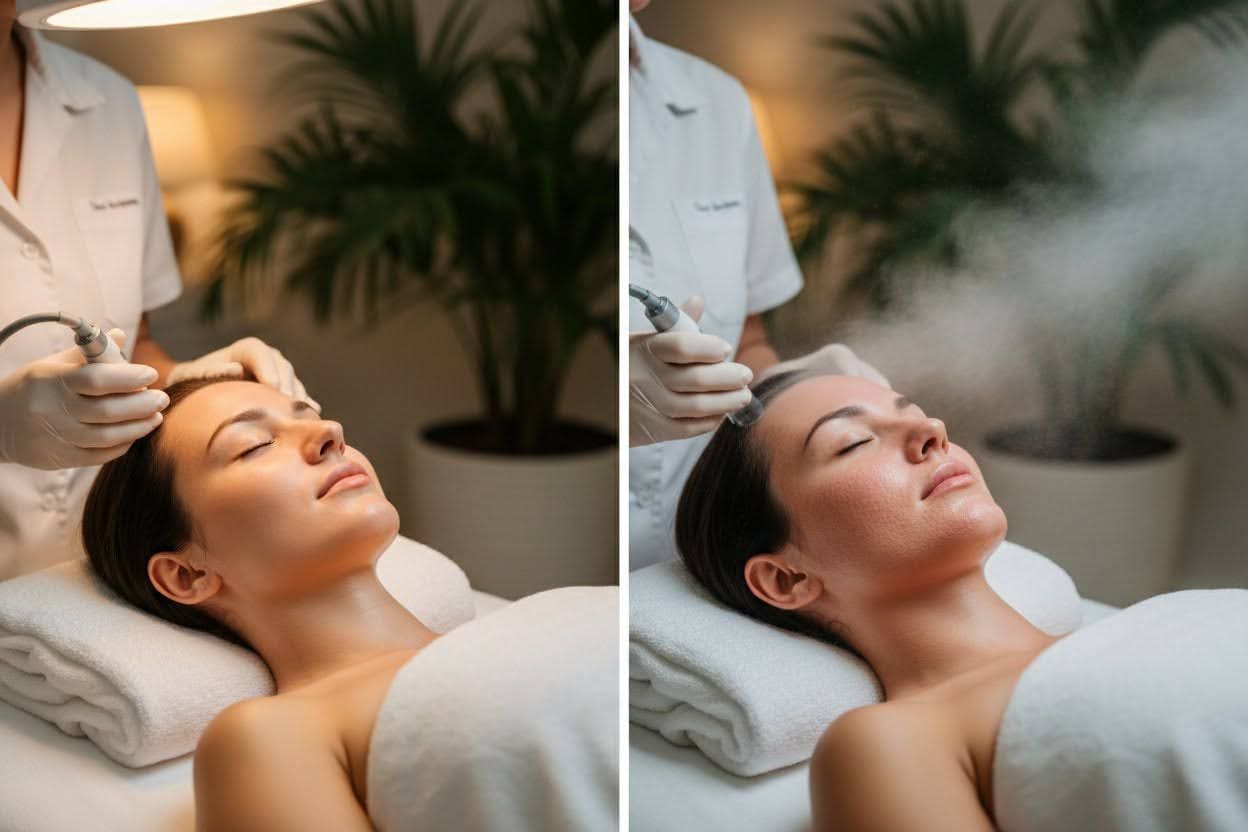
When it comes to enhancing your skin’s appearance, understanding the difference between skin rejuvenation and skin resurfacing is essential. While both aim to improve your skin, they utilize distinct techniques and target different concerns. Skin rejuvenation focuses on overall health and liveliness, whereas skin resurfacing hones in on the surface for a smoother look. Knowing which approach suits your needs can make all the difference in achieving your desired results. Let’s explore these methods further.
When it comes to skin rejuvenation, understanding its core principles is fundamental for achieving ideal results. Skin rejuvenation focuses on enhancing the overall appearance and health of your skin by targeting various skin types and addressing aging signs effectively. It encompasses a range of treatments designed to restore energy, improve texture, and promote a youthful glow. You’ll find that different skin types require tailored approaches, as what works for oily skin may not suit dry or sensitive skin. Recognizing how aging signs, like fine lines and uneven tone, manifest in your skin is imperative. By addressing these factors, you can select the most suitable rejuvenation methods, ensuring your skin looks vibrant and revitalized for years to come.
Skin rejuvenation offers a multitude of benefits that can greatly enhance both your skin’s appearance and overall health. By incorporating effective anti-aging strategies, you’ll notice a reduction in fine lines, wrinkles, and uneven skin tone. This process stimulates collagen production, which is essential for maintaining skin elasticity and firmness. In addition, skin rejuvenation improves hydration and can diminish the appearance of age spots and sun damage, promoting an even complexion. Your skin health is greatly boosted as rejuvenation treatments often involve nourishing ingredients that restore vitality. Moreover, you might experience increased confidence as your skin looks more youthful and radiant. Overall, these benefits not only refresh your appearance but also contribute to long-term skin wellness.
Numerous techniques are available for skin rejuvenation, each targeting specific concerns to restore a youthful appearance. Microneedling techniques involve creating tiny, controlled punctures in your skin to stimulate collagen production, improving texture and reducing fine lines. This minimally invasive procedure can enhance absorption of topical treatments, maximizing their effectiveness. On the other hand, laser therapies utilize focused light energy to address issues like pigmentation, vascular lesions, and skin laxity. They can promote skin tightening and improve overall tone and clarity. Both methods offer unique benefits, allowing you to choose based on your individual needs and goals. Consulting with a qualified professional can help you determine the best approach for achieving your desired results.
Exploring skin resurfacing reveals a powerful approach to enhancing your complexion and addressing various skin imperfections. This technique primarily involves two methods: laser treatments and chemical peels. Laser treatments utilize focused light to target specific skin layers, promoting collagen production and improving texture. They can effectively reduce fine lines, sun damage, and acne scars. On the other hand, chemical peels involve applying a solution to exfoliate the skin, revealing a fresher layer underneath. These peels can vary in strength, allowing customization based on your skin type and concerns. Both methods offer unique benefits and can be tailored to meet your specific needs, making skin resurfacing a versatile option for achieving a more radiant, youthful appearance.
While considering options for improving your complexion, skin resurfacing offers several compelling benefits that can greatly enhance your appearance. This technique effectively addresses various skin concerns, such as fine lines, acne scars, and uneven texture. By utilizing methods like chemical peels and laser treatments, you can stimulate collagen production and promote skin renewal. As a result, you’ll notice a smoother, more youthful complexion with reduced blemishes and improved skin tone. Additionally, skin resurfacing can enhance the absorption of skincare products, maximizing their effectiveness. With minimal downtime, you can quickly return to your daily routine while enjoying long-lasting results. Overall, skin resurfacing is an excellent choice for achieving a radiant, fresh look.
When it comes to skin resurfacing, several effective methods can help you achieve a revitalized complexion. One popular option is laser treatments, which utilize focused light to target specific skin issues, promoting collagen production and smoothing out texture. These treatments can effectively reduce wrinkles, scars, and pigmentation irregularities. Another method is chemical peels, where a solution is applied to exfoliate the outer layers of skin. Depending on the peel’s strength, you can address a variety of concerns, including sun damage and fine lines. Both methods offer unique benefits, and your choice may depend on your skin type, desired results, and recovery time. Understanding these options can empower you to select the best approach for your skin’s health and appearance.
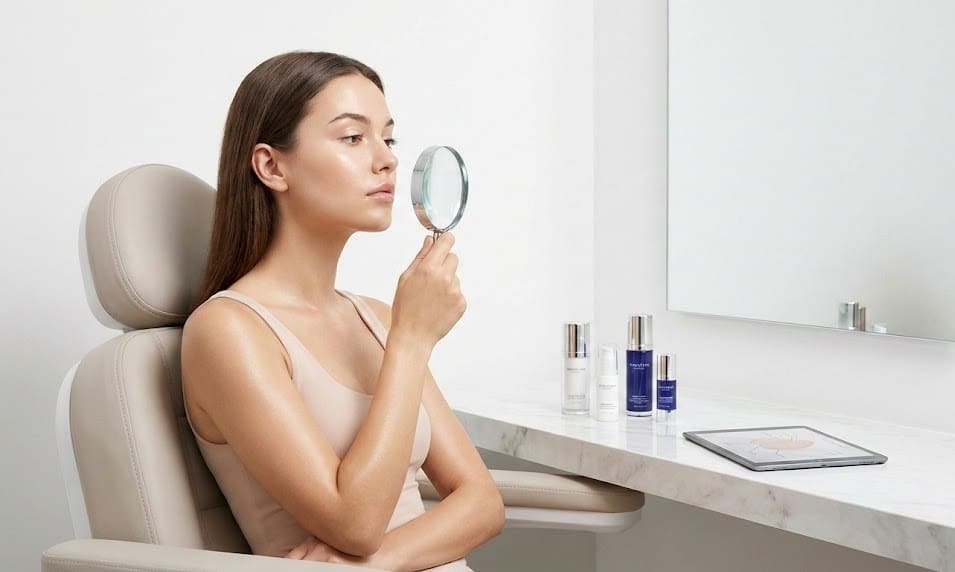
How do you determine the right treatment for your skin? First, assess your skin type—whether it’s oily, dry, sensitive, or combination—as this greatly influences your options. Next, clarify your treatment goals. Are you aiming for rejuvenation, such as improving texture and tone, or resurfacing to address deeper issues like scars or wrinkles?
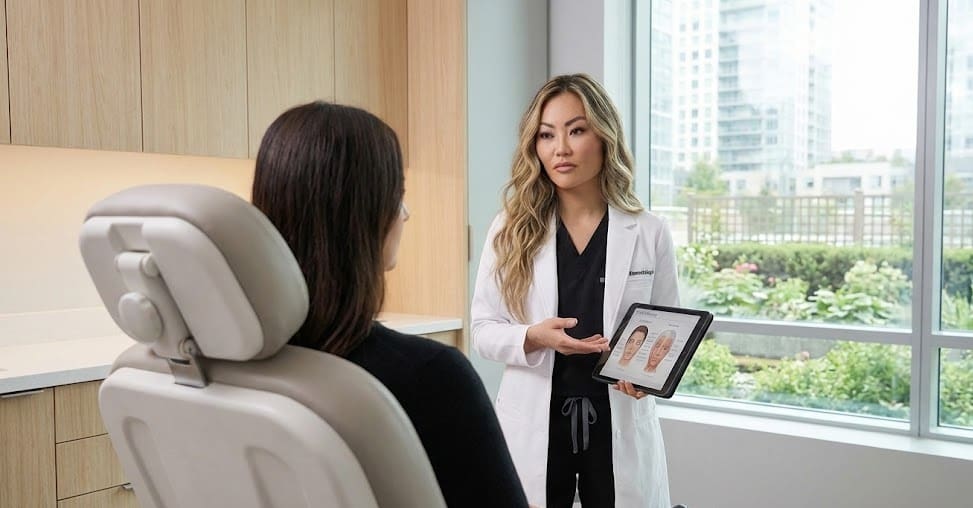
Consult with a skincare professional who can tailor recommendations based on your unique needs. For instance, if you have sensitive skin, they might suggest gentler rejuvenation options, while those seeking dramatic changes might benefit from resurfacing techniques. Always prioritize treatments that align with both your skin type and goals to achieve the best results without unnecessary irritation. Making informed choices leads to healthier, radiant skin.
Results from skin rejuvenation treatments typically last several months to a year, depending on longevity factors like skin type and age. Regular treatment maintenance can extend these effects, ensuring your skin stays vibrant and youthful.
Yes, skin resurfacing treatments can be performed on various skin types, but skin type considerations are essential. Not every treatment is suitable for everyone, so consult a professional to determine the best option for your skin.
Yes, skin rejuvenation can cause side effects like temporary skin sensitivity and mild redness. During treatment recovery, it’s essential to follow aftercare instructions to minimize discomfort and achieve ideal results. Always consult your specialist for personalized advice.
When you compare costs, skin rejuvenation treatments often range from $100 to $500, while resurfacing can be pricier, averaging $1,000 to $3,000. Understanding this cost comparison helps you determine treatment affordability based on your budget.
You can typically undergo skin rejuvenation every four to six weeks, while resurfacing treatments may require longer intervals of six to twelve weeks due to recovery time. Always consult your dermatologist for personalized treatment frequency.
Stay informed with expert insights, treatment guides, and the latest developments in medical aesthetics from Nurse Practitioner Belita Savage.