Skip to content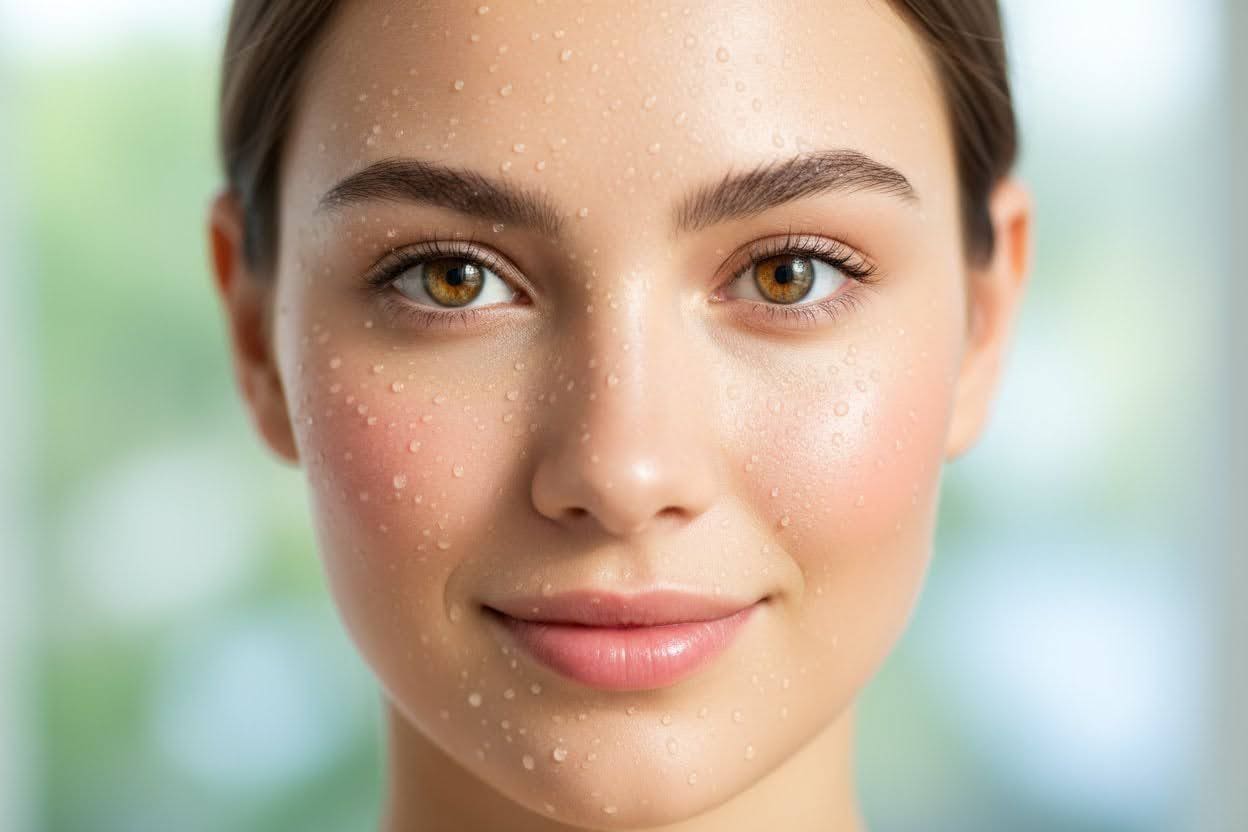
When it comes to achieving clear skin, choosing the right facial is essential. You need to take into account your specific skin type and any concerns, like acne or dryness. Certain facials, especially those targeting acne-prone skin, can effectively unclog pores and balance oil production. But, what types of facials are most beneficial, and how can you guarantee lasting results? Let’s explore the options available to you.
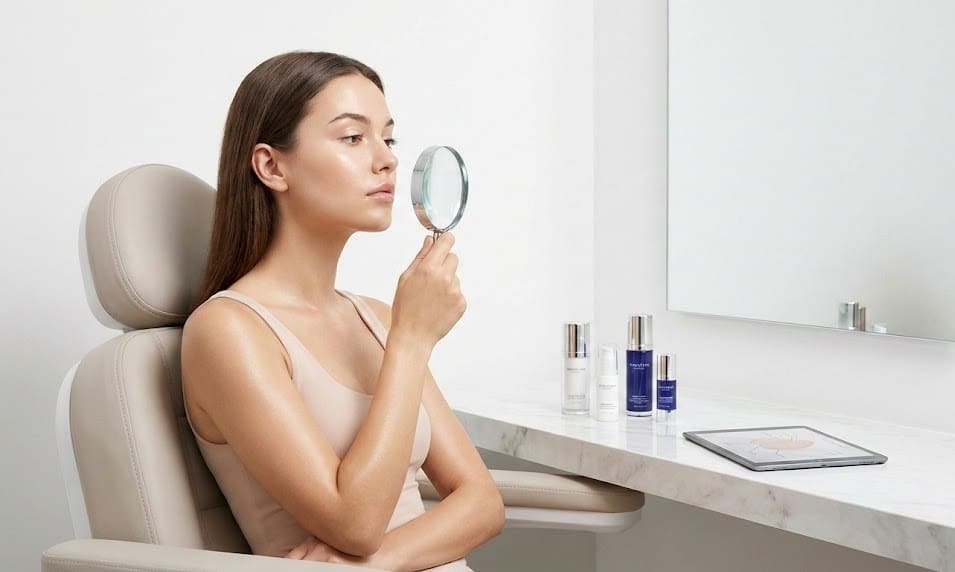
To effectively achieve clear skin, it’s essential to understand your skin type, as this knowledge forms the foundation for tailored skincare routines. There are four primary skin types: oily, dry, combination, and sensitive. Each type presents unique skin concerns that require specific attention. For instance, if you have oily skin, you may struggle with excess shine and acne, while dry skin often leads to flakiness and irritation. Combination skin can present a mix of both, making it tricky to manage. Sensitive skin may react to products, causing redness or discomfort. By identifying your skin type and associated concerns, you can select products and treatments that cater to your needs, ultimately promoting a clearer, healthier complexion.
Regular facials play an essential role in maintaining clear, healthy skin, especially when they’re tailored to your specific skin type and concerns. Incorporating facials into your skincare routine can greatly enhance your skin’s appearance and texture. With consistent facial frequency, you promote better circulation and lymphatic drainage, which can lead to a brighter complexion. Regular treatments help remove impurities, unclog pores, and provide deep hydration, addressing issues like acne, dryness, or aging. Additionally, facials can boost the effectiveness of your at-home products by prepping your skin to absorb them better. Over time, you’ll notice improved skin health, a more radiant glow, and a reduction in common skin issues, ultimately making regular facials an invaluable part of your skincare journey.
Facials come in various types, each designed to target specific skin concerns and enhance your overall complexion. For instance, hydrating facials infuse moisture into your skin, making them perfect for dry or dehydrated complexions. Exfoliating facials utilize scrubs or chemical peels to remove dead skin cells, improving texture and brightness. If you’re looking to detoxify, a clay or charcoal facial can draw out impurities, leaving your skin clearer. Anti-aging facials often incorporate ingredients like retinol or antioxidants to reduce fine lines and promote youthful skin. Each of these facial types offers unique skin benefits, helping you achieve your desired results. By understanding these options, you can choose the right facial to suit your skin’s specific needs.
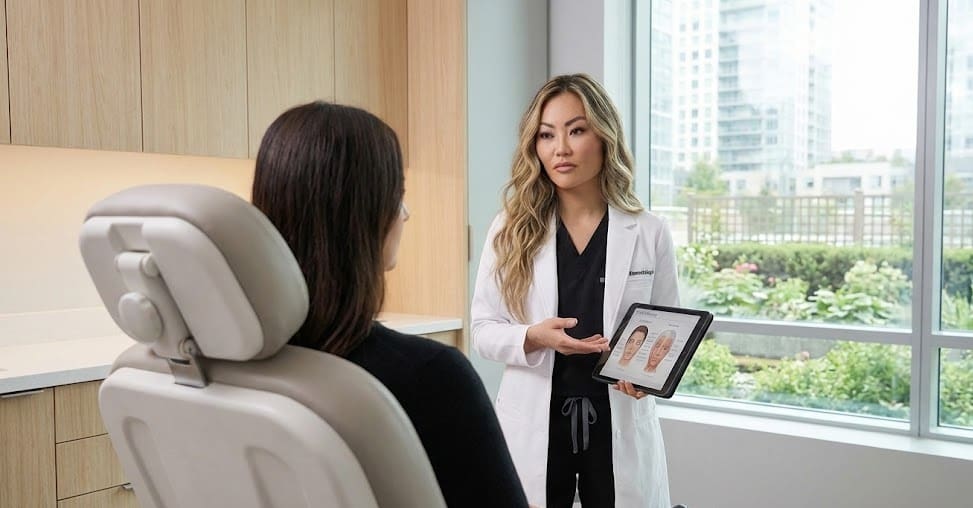
When it comes to managing acne-prone skin, choosing the right facial can make a significant difference in your skincare routine. Look for facials specifically designed to target acne triggers like excess oil, bacteria, and inflammation. Ingredients such as salicylic acid, which penetrates pores to dissolve debris, and bentonite clay, known for its oil-absorbing properties, are essential. Additionally, facials incorporating tea tree oil can help reduce redness and irritation, while soothing ingredients like aloe vera can calm the skin. Always consult with a professional to determine the best treatment for your unique skin type. By selecting facials tailored to your needs, you’ll effectively combat breakouts and promote a clearer, healthier complexion.
If you’re struggling with a lackluster complexion, brightening facials can provide the rejuvenation your skin needs. These treatments often utilize potent brightening ingredients like vitamin C, licorice extract, and niacinamide to enhance your skin’s radiance. The application of these ingredients helps reduce the appearance of dark spots and uneven skin tone.
Facial techniques such as gentle massage and steaming can further increase circulation, allowing the active ingredients to penetrate deeper for maximum effect. Additionally, many brightening facials include masks or serums designed to hydrate and nourish your skin while promoting a luminous glow. By opting for a brightening facial, you can revitalize your complexion, restoring its natural vibrancy and achieving a more youthful appearance.
To achieve smoother, more even-textured skin, incorporating exfoliating treatments into your skincare routine is essential. Exfoliation techniques, such as physical scrubs or chemical exfoliants, help remove dead skin cells and promote cell turnover, which can greatly improve your skin texture. Physical exfoliants, like granular scrubs, provide immediate results, while chemical options, such as AHAs and BHAs, penetrate deeper to address uneven texture over time. Regular exfoliation can also enhance product absorption, making your skincare more effective. However, it’s important to choose the right method for your skin type and avoid over-exfoliating, which can lead to irritation. By integrating these treatments appropriately, you’ll notice a more refined complexion and improved skin texture in no time.
Hydrating facials are a game-changer for anyone struggling with dehydrated skin. These treatments utilize powerful hydrating ingredients like hyaluronic acid, aloe vera, and glycerin, which penetrate deep into your skin to restore moisture. By replenishing hydration, these facials strengthen your skin barrier, helping to lock in moisture and protect against environmental stressors. You’ll notice immediate improvements in texture and elasticity, leaving your skin plump and radiant. Additionally, many hydrating facials include soothing masks and serums that calm inflammation, making them ideal for sensitive skin types. Regular treatments can enhance your skin’s overall health and resilience, ensuring you maintain a dewy, youthful complexion. Embrace hydrating facials as an essential part of your skincare routine for lasting benefits.
While both professional and at-home treatments play essential roles in achieving clear skin, understanding their differences can help you make informed choices. Professional treatments offer specialized techniques and products that benefit from professional expertise, targeting specific skin concerns with precision. You’ll often experience advanced technologies and personalized care that can yield quicker, more noticeable results. On the other hand, at-home treatments provide convenience and flexibility, allowing you to maintain your skincare regimen without the need for appointments. They can effectively complement professional facials, enhancing your skin’s health over time. Ultimately, combining both options can help you achieve the best results, balancing the immediate benefits of professional care with the ongoing maintenance that at-home treatments provide.
Maintaining clear skin after a facial requires a proactive approach to your skincare routine. Begin with a gentle daily cleansing routine to remove impurities without stripping your skin of its natural oils. Use a mild cleanser suited for your skin type, and don’t forget to double cleanse if you’ve used makeup. Follow up with post-facial skincare products that hydrate and nourish your skin, such as serums and moisturizers rich in antioxidants. Avoid heavy makeup for a few days to let your skin breathe, and always apply sunscreen to protect against UV damage. Stay hydrated and maintain a balanced diet to support your skin from within. By being consistent with these practices, you’ll enhance the benefits of your facial and maintain clear, glowing skin.
You should get facials every 4-6 weeks, depending on your skin type. Oily skin may benefit from more frequent treatments, while dry or sensitive skin might require less. Always consult a professional for personalized frequency recommendations.
Yes, facial treatments can cause facial reactions and skin irritation. These side effects may vary based on your skin type and the products used, so always consult a professional to minimize risks and guarantee safe treatments.
Yes, facials can effectively aid aging skin. Incorporating anti-aging treatments promotes skin rejuvenation, helping to reduce fine lines and improve texture. Regular sessions enhance hydration, firmness, and overall liveliness, giving your skin a youthful glow.
To choose the right facial, assess your skin type and define your facial goals. For hydration, opt for moisturizing facials; for acne, consider clarifying treatments. Always consult a professional for personalized recommendations tailored to your needs.
Avoid harmful additives like parabens, sulfates, and artificial fragrances in facial products. These can trigger skin sensitivities, leading to irritation or breakouts. Always check ingredient labels to guarantee you’re protecting your skin’s health effectively.
Stay informed with expert insights, treatment guides, and the latest developments in medical aesthetics from Nurse Practitioner Belita Savage.