Skip to content
You’ve been using the same products for years. They worked. Your skin looked good. And then somewhere around 40, everything changed.
The serums that used to make your skin glow now seem to do nothing. The moisturizer that kept you hydrated leaves you dry by afternoon. The retinol that smoothed your texture barely makes a dent in new lines. You’re spending more money on skincare than ever, with less to show for it.
This isn’t in your head. There are specific biological reasons why the same routine that worked at 35 stops working at 45. Understanding these changes explains why products alone often can’t address what’s happening to your skin after 40.
The skin you have at 45 is structurally different from the skin you had at 30. Not just older. Different.
Here’s the number that matters most: women can lose up to 30% of their skin collagen in the first five years after menopause. After that, the decline continues at roughly 2% per year.
This isn’t gradual aging. This is rapid structural change. Research published in PMC found that skin thickness decreases by about 1.13% per postmenopausal year, and collagen content drops by approximately 2% annually. The dermis, which provides your skin’s structural support, is literally thinning.
The type of collagen changes too. Postmenopausal women show alterations in the ratio of Type I to Type III collagen, affecting skin firmness and resilience. This happens regardless of what you apply topically.
When you were young, your skin renewed itself roughly every 14 days. In your 20s and 30s, that extended to about 28 days. After 40, research shows cell turnover can take 40 to 56 days. By your 60s and beyond, it can stretch to 60 to 90 days.
This matters for every product you use. Exfoliating acids work by speeding turnover and revealing fresh cells. Retinol stimulates cell renewal. When your baseline turnover is already slow, these products have to work against a larger deficit. The same concentration that produced visible results at 30 may produce minimal change at 50.
A 1983 study in the Journal of Gerontology measured epidermal transit time (how long cells take to move through skin layers) and found it approximately doubled between young adults and older adults. Your skin is literally taking twice as long to replace itself.
Research comparing young (20 to 30 years) and aged (over 80 years) subjects found something surprising: baseline water loss was actually lower in aged skin. But when the barrier was disrupted, older skin recovered much more slowly.
Young subjects showed 50% barrier recovery at 24 hours and 80% at 72 hours. Aged subjects showed only 15% recovery at 24 hours, with significant delays continuing over the following week.
The aged stratum corneum (your skin’s outer barrier) displays roughly 30% less total lipid content than young skin. This includes reduced ceramides, the lipids that hold your barrier together. When your barrier is compromised, everything you apply on top works less effectively.
Estrogen isn’t just a reproductive hormone. It directly affects skin structure. Estrogen receptors exist on keratinocytes (skin cells) and fibroblasts (cells that produce collagen). When estrogen declines during perimenopause and menopause, these cells receive less of the signaling that maintains skin health.
A 2025 narrative review in the Journal of Cosmetic Dermatology noted that estrogen decline contributes to decreased collagen production, reduced elasticity, and moisture loss. These changes result in dryness and wrinkling that no moisturizer can fully address, because the problem is happening at a cellular level.
Understanding the biology explains why products that once worked now seem ineffective. It’s not that they stopped working. It’s that the problem they’re trying to solve has gotten bigger while their capabilities stayed the same.
Most skincare ingredients can’t reach where structural changes occur. The dermis, where collagen and elastin live, sits below the epidermis. Getting active ingredients to the dermis is difficult.
The 500 Dalton rule in dermatology suggests that molecules larger than 500 Daltons struggle to penetrate the stratum corneum. For context:
This is why topical collagen products can’t rebuild collagen in your dermis. The molecules are physically too large to get there. They provide surface hydration and film-forming benefits, but they’re not replacing lost structural collagen.
Even ingredients that can penetrate face challenges. Research shows retinol must convert to retinoic acid within the skin to be active. This conversion requires enzymes that may function less efficiently in aged skin. A concentration that produced significant results at 30 may need to be increased at 50 to achieve similar outcomes.
Over-the-counter skincare products have concentration limits for safety. Retinol in cosmetics typically ranges from 0.1% to 1%. Prescription tretinoin (retinoic acid) is more potent but requires medical supervision because it’s also more irritating.
When skin damage is mild, gentle products can keep up. When damage accelerates after 40, you may hit the ceiling of what non-prescription products can achieve. You’re trying to solve a bigger problem with the same tools.
A clinical study on retinol in naturally aged skin (average age 87) found that 0.4% retinol applied three times weekly for 24 weeks did improve fine wrinkling and increase collagen. But this was prescription-strength product under controlled conditions. Over-the-counter formulations may not deliver equivalent results.
Many products after 40 focus on hydration: hyaluronic acid, ceramides, glycerin, oils. These are valuable for comfort and surface appearance. But hydration addresses symptoms, not the underlying structural changes.
Your skin feels dry partly because of reduced natural oil production after menopause. Sebaceous glands become less active. Hydrating products temporarily replace what your skin no longer produces. But they don’t rebuild the collagen matrix, restore cell turnover speed, or reverse volume loss.
This isn’t a criticism of hydrating products. They’re necessary for comfort and barrier support. But they can’t be the sole solution for structural aging.
If your skincare routine has plateaued, here’s what the evidence supports:
Research shows retinol continues to work in aged skin, but you may need stronger formulations or prescription-strength retinoids. A study in Archives of Dermatology found that 0.4% topical retinol improved fine wrinkling in elderly subjects and increased glycosaminoglycan content (which helps retain water in skin).
If over-the-counter retinol isn’t producing results, a customized skincare consultation with a medical provider can determine whether prescription-strength options make sense for your skin.
Vitamin C (L-ascorbic acid) remains effective for antioxidant protection and supporting collagen synthesis, but formulation matters. Stabilized forms at appropriate pH levels penetrate better than poorly formulated alternatives.
The aged skin barrier recovers slowly and has reduced lipid content. Products containing ceramides, cholesterol, and fatty acids in physiological ratios can help restore barrier function. Research shows these lipid mixtures improve barrier recovery in aged skin.
But be cautious about over-exfoliating. With slowed cell turnover and a fragile barrier, aggressive exfoliation can damage skin that takes weeks to recover. The same acid peel you tolerated at 30 may cause extended irritation at 50.
Here’s the honest truth: topical products alone may not address significant structural changes after 40. The 30% collagen loss in the first five years of menopause isn’t something a serum can reverse.
This is where professional treatments offer benefits that products cannot:
Microneedling creates controlled micro-injuries that stimulate your skin’s wound healing response, triggering new collagen production from within. This bypasses the penetration problem because it activates your own fibroblasts to produce collagen rather than trying to deliver it topically.
Chemical peels at medical grade can accelerate cell turnover more dramatically than daily acids, essentially forcing the renewal process that has slowed down.
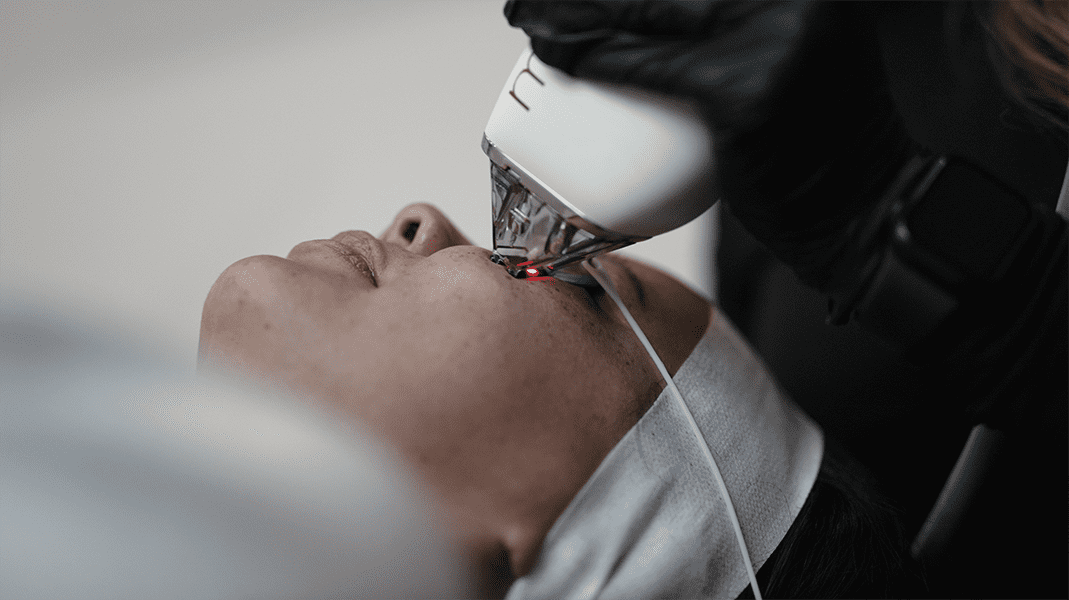
Laser treatments deliver energy to the dermis, stimulating collagen remodeling in ways no topical can achieve. The thermal energy triggers a wound healing response that produces new structural proteins.
Neuromodulators like Botox address dynamic wrinkles by relaxing muscles, which no skincare product can do. If forehead lines are deepening despite your routine, muscle movement is part of the cause.
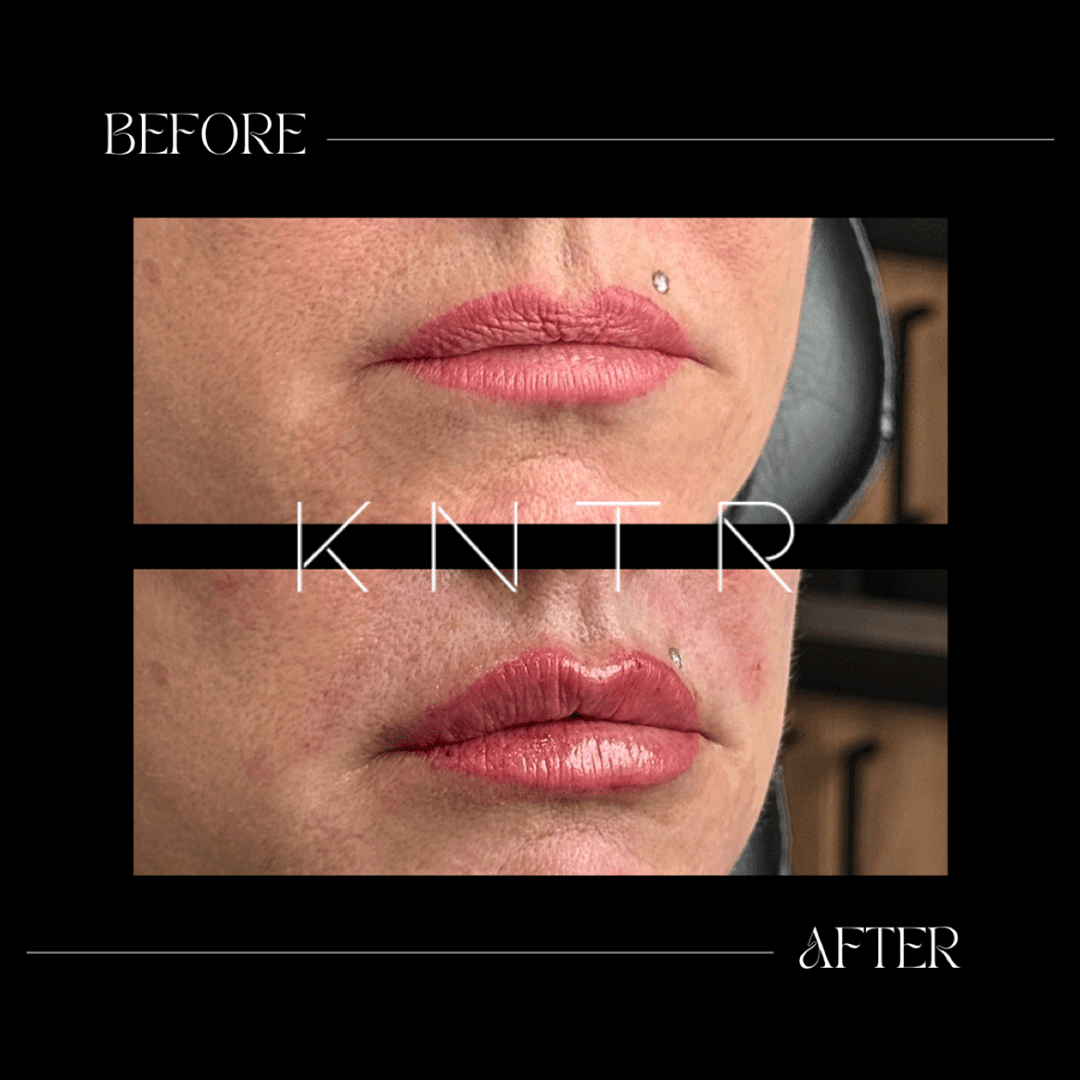
Dermal fillers replace lost volume directly. Volume loss in the cheeks and temples contributes to an aged appearance that no amount of retinol can address, because the underlying fat pads and bone structure have changed.
The goal after 40 isn’t to have the skin of a 25-year-old. The goal is to support your skin’s health and function as it changes.
Good skincare after 40:
But skincare alone probably won’t:
Understanding these limits isn’t pessimistic. It’s practical. It helps you allocate your skincare budget effectively rather than chasing results that products can’t deliver.
If your routine has stopped working, here’s a framework for moving forward:
Step 1: Protect what you have. Sunscreen remains the most evidence-based intervention for preventing further aging. UV damage accelerates everything else. If you’re not using daily SPF 30 or higher, start there.
Step 2: Optimize topicals. Ensure you’re using proven active ingredients (retinol, vitamin C, niacinamide) at concentrations that can make a difference. If over-the-counter products aren’t working, explore prescription options.
Step 3: Support the barrier. Incorporate ceramides and lipid-replenishing products. Reduce harsh exfoliation if your skin takes longer to recover than it used to.
Step 4: Address structural changes professionally. For collagen loss, volume loss, and established wrinkles, professional treatments offer what topicals cannot.
Step 5: Accept the partnership. The most effective approach after 40 combines daily skincare with periodic professional treatments. Products maintain results between treatments. Treatments address what products can’t.
Your skincare didn’t stop working because you did something wrong. Your skin changed in ways that make the same products less effective.
After 40, the gap between what’s happening in your skin (rapid collagen loss, slowed turnover, barrier changes, hormonal shifts) and what topical products can address grows wider. Products that kept up with gradual changes in your 30s may not keep up with accelerated changes after menopause.
The solution isn’t necessarily more products or more expensive products. It’s understanding which concerns products can address and which require different approaches entirely.
If you’re frustrated that your routine isn’t working the way it used to, that frustration is valid. The answer may be professional treatments that address structural changes from the inside, rather than more products that work only on the surface.
Ready to understand what your skin actually needs? A medical skincare consultation can evaluate your specific concerns and create a plan that combines appropriate products with professional treatments. Contact us to schedule.
Related reading:
Stay informed with expert insights, treatment guides, and the latest developments in medical aesthetics from Nurse Practitioner Belita Savage.