 Skip to content
- Serving Oakridge & West London, Ontario
Medical Aesthetics in Oakridge, Ontario
Oakridge is one of west London’s most established and community-rooted neighbourhoods. Kontour Medical Aesthetics offers Botox, dermal fillers, HydroFacials and personalized skincare plans for Oakridge residents who want to look refreshed, natural, and like themselves, done with a precise and honest hand.
- Why Choose Kontour
Botox & Injectable Treatments for Oakridge, London ON
Oakridge is the kind of neighbourhood that rewards loyalty. Families put roots down here in the 1960s and 1970s and stayed. Their children came back. The streets named Donegal, Dunedin, and Kildare still carry the same unhurried, community-first character they always have. People know each other at the arena, at Oakridge Optimist Park, and along the Oxford Street shops. That social fabric is part of what makes this part of west London so appealing, and it is also part of why discretion matters so much to the clients we see from here.
Botox and neuromodulator treatments are where most Oakridge clients begin. The forehead lines that have settled in over decades of active family life, the crow’s feet from years of summers spent at the Oakridge outdoor pool and winters on the Thames Valley trails, and the frown creases that catch people off guard in photographs. We treat each area with care and precision. The result is a face that looks well-rested and clear, not frozen or altered. Our post on aging gracefully with wrinkle injections explains our approach clearly if you want to read before booking.
For clients also noticing the volume changes that arrive gradually through the 40s and into the 50s, including softening in the cheeks, thinning lips, or the hollowing beneath the eyes, our dermal filler treatments restore a balanced, natural look alongside Botox. We build incrementally and never rush results. You stay in full control at every step. If you want to understand the difference between Botox and fillers before your consultation, our Botox vs fillers guide is a good starting point.
Kontour is the expert’s choice for medical aesthetics in London.
- Most Requested Services
Popular Treatments near Oakridge
Clients visiting us from Oakridge often seek our most requested treatments to look and feel their best:
Botox® & Neuromodulators
Smooth wrinkles and prevent new ones from forming.
Dermal Fillers
Restore volume and refine contours for a natural, youthful look.
Lip Enhancements
Subtle definition or fuller volume tailored to your features.
HydraFacial® Treatments
Cleanse, exfoliate, and deeply hydrate your skin.
Sculptra® Collagen Stimulator
Gradually restore lost volume with long-lasting results.
Skin Rejuvenation & Facial Treatments Serving Oakridge & West London
Oakridge residents are active people. The Sifton Bog trails along Oxford Street, the Thames River pathways, the Thames Valley Golf Club and the London Hunt and Country Club on the neighbourhood’s eastern edge. Years of outdoor living in London’s west end means real sun exposure that accumulates quietly and then shows up all at once in a mirror or a photo. Most Oakridge clients who come to us for skin treatments have been managing their skin conscientiously for years with good products. They have just hit the point where those products are no longer enough.
Our HydroFacial treatments are a popular entry point for Oakridge clients who want immediate, visible results without any recovery time. The treatment delivers deep cleansing, gentle exfoliation, and targeted hydration in under an hour. Many clients combine it with other errands along Oxford Street or Hyde Park Road and are done before the school day ends at Clara Brenton or Riverside Public School. For clients with more persistent concerns, including accumulated sun damage, uneven pigmentation, or textural changes that surface products have not reversed, our Moxi laser treatments and medical-grade chemical peels address the root cause at a depth that no retail product can reach.
Clients who move from one-off bookings to a structured plan consistently see better long-term results. Our customized skincare plans sequence your in-clinic treatments alongside prescription-strength skincare that works between visits at a clinical level. You can learn more about how we build those plans on our why choose Kontour page.
- Free on-site parking is available for all clients.
- Questions from Oakridge Clients
-
Questions from Oakridge Clients
Frequently Asked Questions
How far is Oakridge from your clinic, and how do residents typically get there?
Most Oakridge clients reach us in around 15 minutes via Oxford Street, Wonderland Road, or Hyde Park Road, depending on where in the neighbourhood they are coming from. We offer early morning and midday appointments to make the trip as easy as possible. Most injectable treatments take under 30 minutes from check-in to walking back out. A HydroFacial runs just under an hour. For most Oakridge residents, it fits comfortably into an existing west-end errand run.
I am in my late 40s or early 50s. Is it too late to start seeing real results?
Not at all. We see clients across a wide age range, and those starting in their late 40s and 50s often see some of the most meaningful improvements because the gap between how they feel and how their reflection looks tends to be larger. Botox and fillers work regardless of when you start, and skin treatments like HydroFacials and laser correction are effective at any age. A complimentary skin assessment will give you an honest picture of what is realistic for your specific skin and concerns right now.
I have never had injectables. How do I know I will not end up looking overdone?
That concern is completely valid and almost universal in first-time clients. Our approach is deliberately conservative. We use the minimum amount of product needed to achieve a natural result, and we never add more than what your face needs at any given visit. We also set clear expectations at the consultation so you know exactly what to expect before anything is done. If at any point a request would not serve you well, we say so directly. Your trust matters more to us than the treatment.
What should I expect at a complimentary skin assessment?
A skin assessment is a genuine conversation, not a sales pitch. We look at your skin under proper lighting, listen carefully to what has been bothering you and for how long, and then walk you through what we think would and would not make a meaningful difference for your specific concerns. We explain the realistic timeline, the likely investment, and the options available to you. You leave with a clear plan, and you decide entirely on your own whether and when to book. There is no pressure at any point in that process.
- About the Area
About Oakridge, London Ontario
Oakridge occupies the west end of London, bounded by the CN tracks to the north, Wonderland Road to the east, the Thames River to the south, and Sanatorium Road to the west. Development began in 1950 under Sifton Properties, with the south of Oxford Street filling in through the 1950s and 1960s on wide, generous lots, and the area north of Oxford Street following through the 1970s and 1980s. Newer development continues at the northern edges through Oakridge Crossing and Deer Ridge. With nearly 90 percent home ownership, Oakridge is one of the most settled and owner-committed neighbourhoods in the city.
The commercial heart of the neighbourhood sits at the intersection of Oxford Street West and Hyde Park Road, with grocery, pharmacy, dining, and everyday services all within reach. Oakridge Optimist Park is the community’s anchor, with an outdoor pool, spray pad, baseball diamond, tennis courts, and arena serving residents year-round. The Sifton Bog Environmentally Significant Area on Oxford Street offers 2.5 kilometres of boardwalk trails through a rare floating peat bog. Hyde Park Woods, Clara Brenton Woods Park, and the Thames River pathways add to an extensive network of accessible green space. Thames Valley Golf Club and the London Hunt and Country Club sit on the neighbourhood’s eastern edge. Schools including Clara Brenton Public, Riverside Public, Oakridge Secondary, St. Thomas Aquinas Catholic Secondary, and the private St. Matthew’s Hall serve students throughout the area.
The clients we see from Oakridge are grounded, family-centred, and have spent decades investing in this community. They bring those same values to decisions about their own care. They want honesty, quality, and results they can feel good about. We are built to deliver exactly that.
- Begin Your Aesthetic Journey
Book Your Complimentary Skin Assessment Today
Oakridge clients can book online in minutes. No pressure, no obligation, just an honest look at your skin and a clear plan for what will actually make a difference.
Close to Masonville
Just 5 minutes from CF Masonville Place via Adelaide Street North with free parking.
NP-Led Excellence
Nurse Practitioner leadership ensures medical safety and expertise in every treatment.
Trusted Results
5-star reviews from clients across London who trust our natural approach to aesthetics.
Or call us directly:
- 226-582-7775
- info@kntr.ca
Refer a friend & get 10% off
Do you know someone who would love to experience our services?
- Visit Our Clinic
Find Us at Kontour
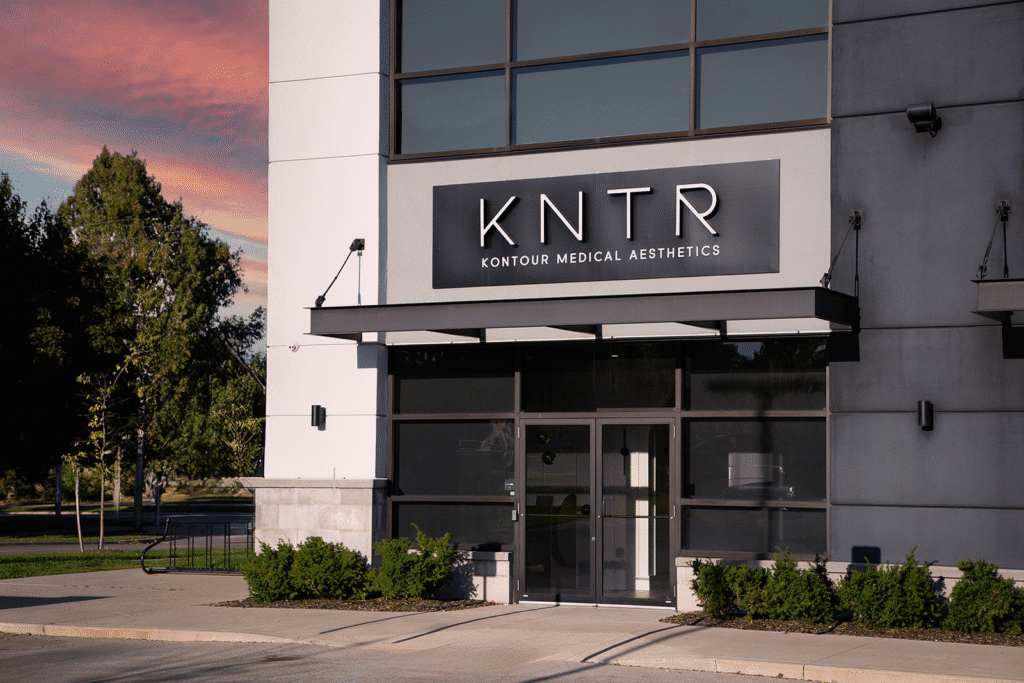
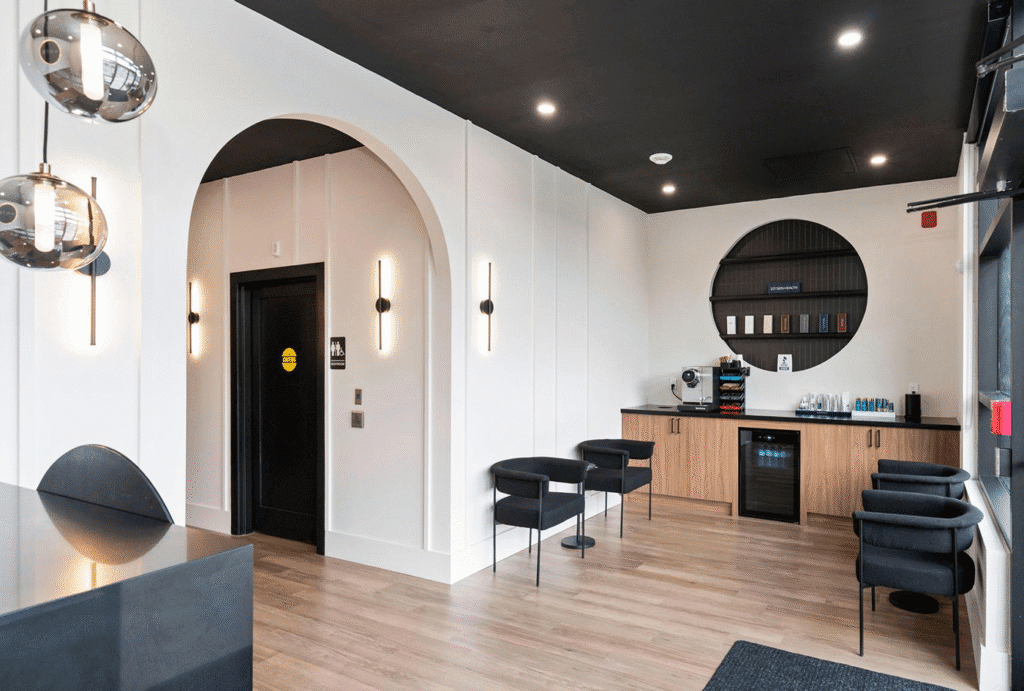
Located in the heart of London, Ontario, our modern clinic provides a welcoming environment for all your medical aesthetic needs.
- Our Location
- 1599 Adelaide Street North
Unit 101B
London, Ontario N5X 4E8
- 226-582-7775
- info@kntr.ca
- 226-582-7775
- info@kntr.ca
- Clinic Hours
Monday
10:00 AM - 5:30 PM
Tuesday
10:00 AM - 5:30 PM
Wednesday
10:00 AM - 5:30 PM
Thursday
10:00 AM - 5:30 PM
Friday
10:00 AM - 5:30 PM
Saturday
10:00 AM - 5:30 PM
Sunday
Closed