Skip to content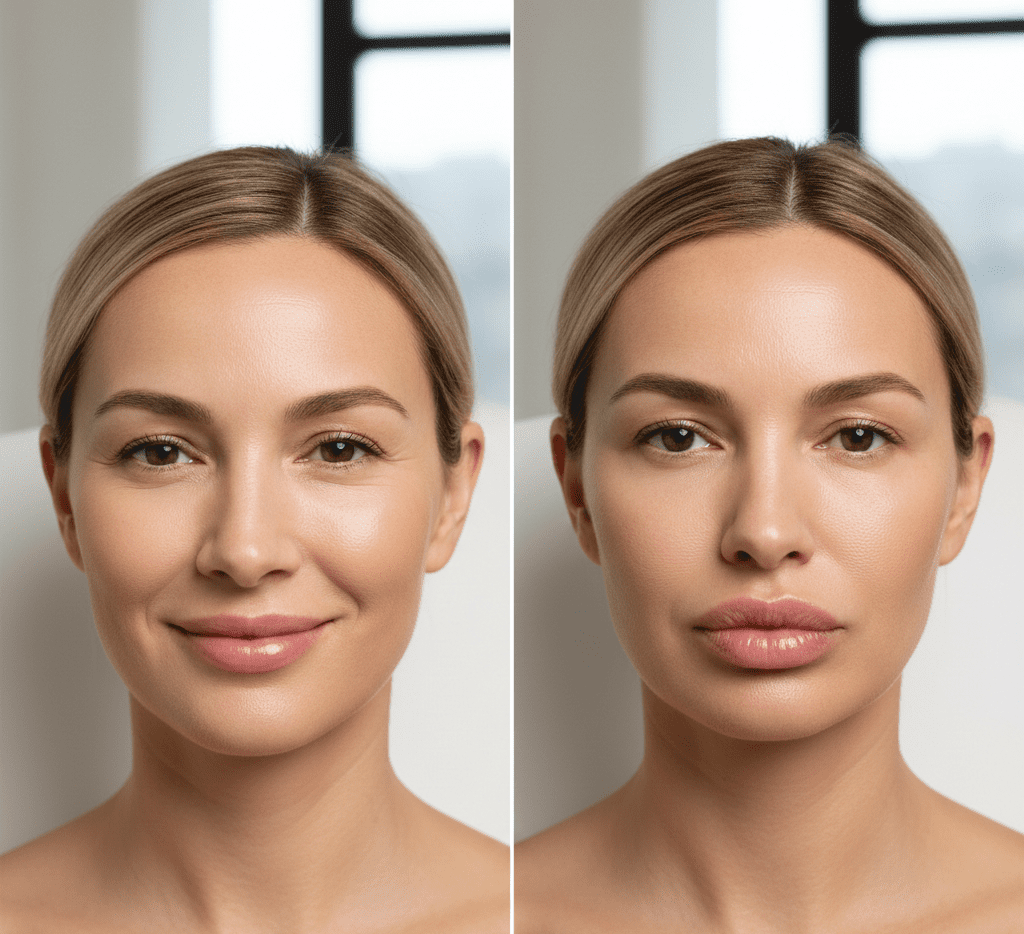
The fear of looking overdone stops more people from trying aesthetic treatments than any other concern.
You’ve seen the cautionary tales. The frozen foreheads. The overfilled lips. The faces that look puffy, stretched, or somehow just wrong. And you’ve told yourself you’d rather age naturally than end up looking like that.
Here’s what most people don’t realize: those overdone results aren’t what skilled aesthetic medicine looks like. They’re what bad aesthetic medicine looks like.
Natural results are possible. They’re actually the goal of experienced practitioners. But you need to know what to look for and what to avoid.
This guide breaks down the real differences between natural enhancement and overdone work, so you can make informed decisions about your own face.
The single biggest factor that separates natural results from overdone ones is the treatment philosophy.
Natural approach: Make someone look like the best, most rested version of themselves.
Overdone approach: Change how someone fundamentally looks.
When practitioners and patients chase transformation instead of enhancement, the results almost always look artificial. Your face has a structure, proportions, and character that are uniquely yours. The goal should be to work with those features, not override them.
A well-done treatment should leave people thinking you look refreshed or well-rested. They shouldn’t be able to pinpoint exactly what’s different.
Botox and other neuromodulators (like Dysport and Nuceiva) relax specific muscles to smooth dynamic wrinkles. These are the lines that form when you move your face.
Movement is preserved. You can still raise your eyebrows, show surprise, and express emotion. The muscles are relaxed, not frozen. Lines are softened, not erased completely.
The forehead looks smooth but not waxy. Skin texture still shows. The area doesn’t look unnaturally flat or shiny.
Expression looks genuine. When you smile, your whole face participates. When you frown, some movement still happens. Your face just looks calmer, not blank.
Brows are positioned naturally. They haven’t dropped, creating a heavy look. They also haven’t been artificially peaked into a surprised expression.
According to clinical studies, about 80 percent of patients see significant improvement in forehead and frown lines at day 30 after treatment. The key word is improvement, not elimination.
Complete lack of movement. If the forehead cannot move at all, too much product was used or it was placed incorrectly.
“Spock brow.” When the outer eyebrows lift while the inner brows stay flat, creating an artificial arch. This happens when product placement doesn’t account for individual muscle patterns.
Heavy upper eyelids. If Botox migrates or is placed incorrectly near the brow, it can cause the brow to drop and make eyelids appear heavier.
Shiny, waxy forehead. Overtreated skin loses its natural texture and reflects light differently.
Asymmetry. One side of the face moves differently than the other.
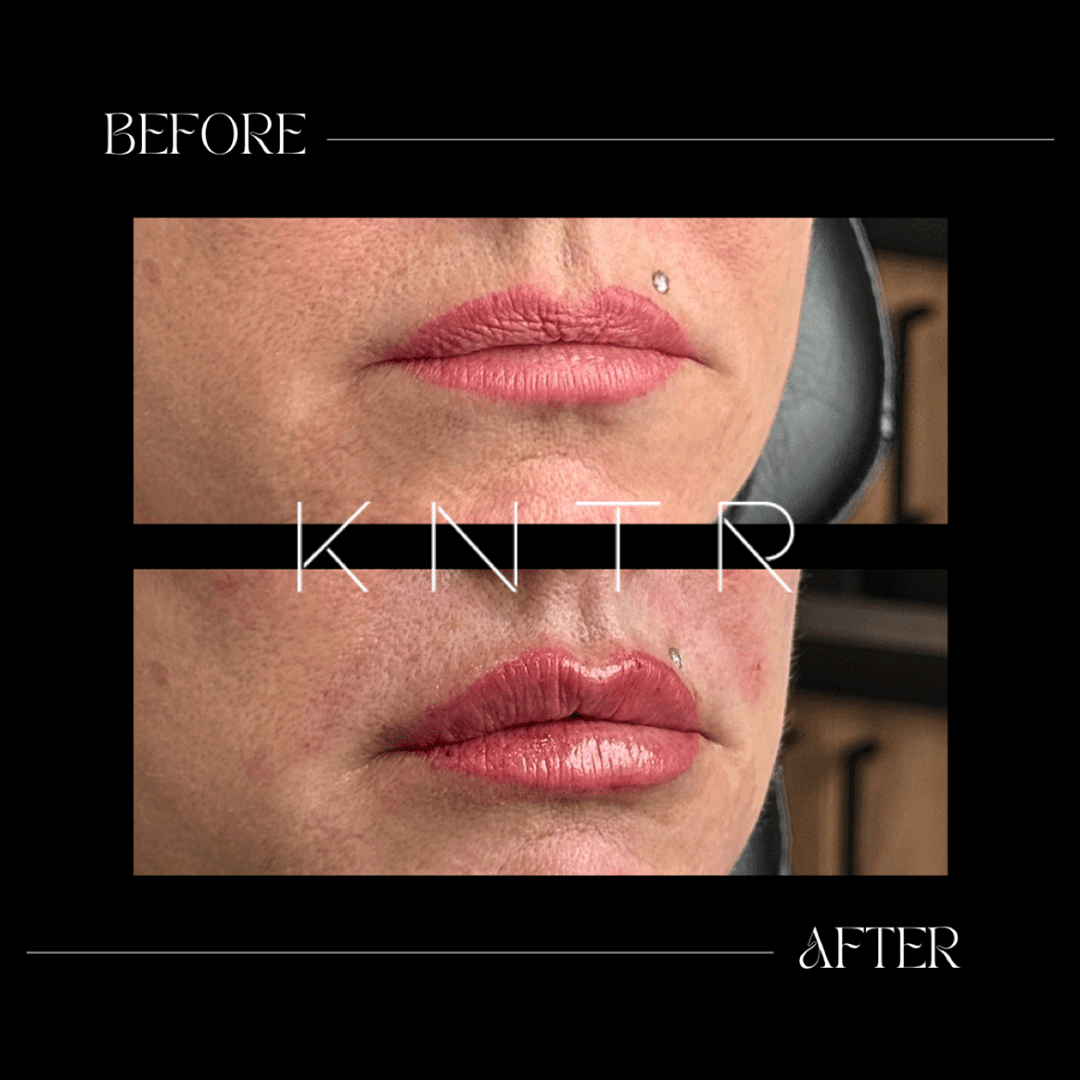
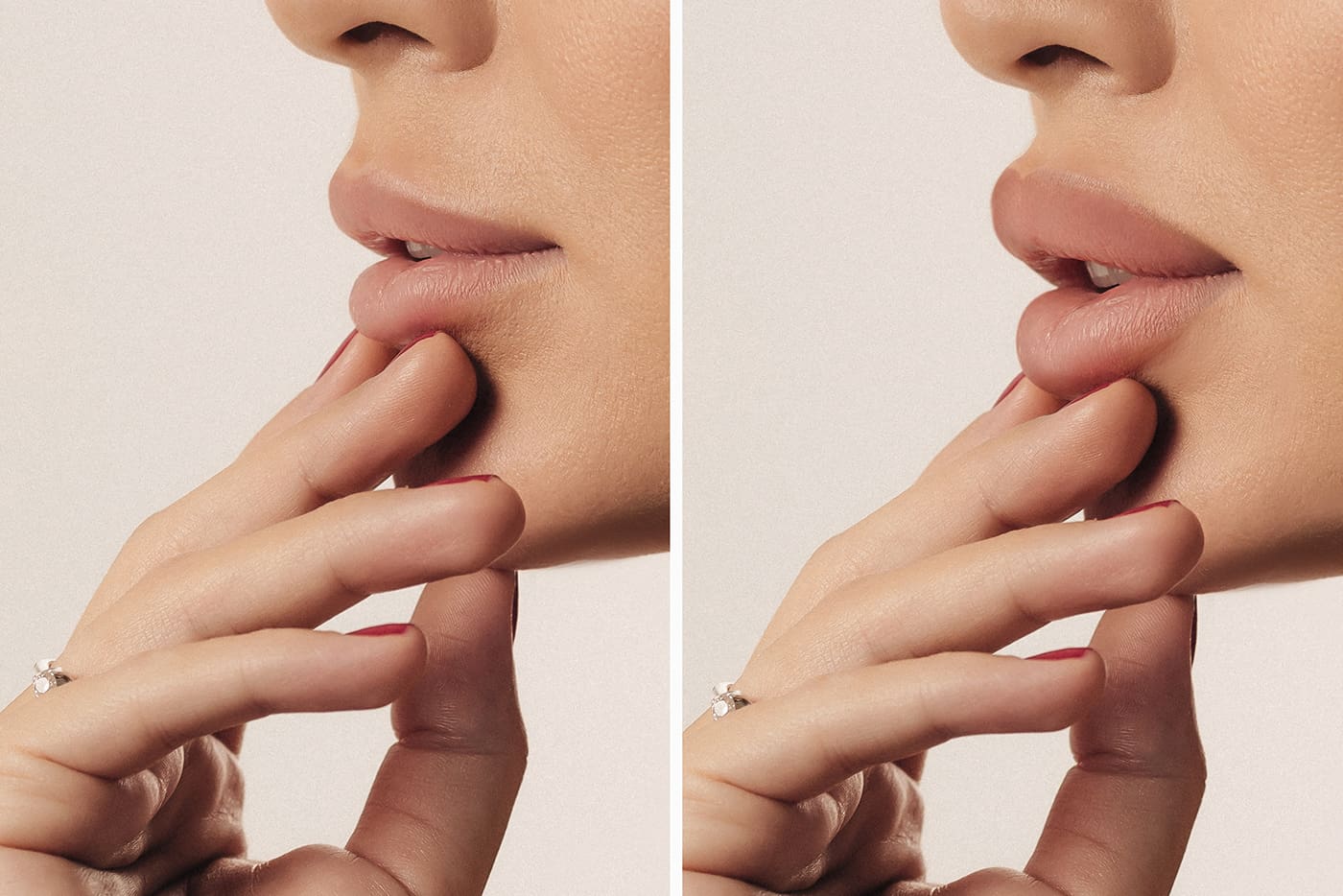
Dermal fillers add volume to areas that have lost fullness over time or enhance features like lips and cheeks. This is where overdone results become most visible.
Features look balanced. Lips fit the face. Cheeks have definition without looking stuffed. The overall facial proportions remain harmonious.
The face moves normally. Filler integrates with tissue and moves when you talk, smile, or laugh. It doesn’t look stiff or immobile.
Results are subtle. People might comment that you look well or ask if you changed your hair. They don’t immediately think “work done.”
Skin looks healthy, not stretched. Well-placed filler supports the skin without pulling it taut or creating an unnatural fullness.
Symmetry is maintained or improved. The left and right sides of the face look balanced.
“Duck lips.” Lips that protrude outward, appear sausage-like, or have lost their natural shape. This is one of the most common and recognizable filler mistakes.
Filler moustache. Product that has migrated above the lip line, creating a shelf or shadow above the upper lip. This happens when filler spreads beyond where it was injected.
Pillow face. Overfilled cheeks that look puffy and round rather than defined. The midface appears swollen or bloated.
Sunset eyes. When too much filler around the eyes creates a heavy, downward-pulling effect that makes eyes appear smaller or squinty.
Visible lumps or irregularities. Filler that sits too superficially or clumps together, creating bumps you can see or feel.
Loss of natural facial contours. When filler obscures the natural bone structure and creates a smooth, featureless appearance.
The Tyndall effect. A bluish tint visible under the skin when filler is placed too close to the surface.
Practitioners who achieve natural results understand facial proportions. One principle that guides aesthetic medicine is the “rule of thirds.”
The face divides into three roughly equal horizontal sections:
When these proportions are balanced, faces tend to look harmonious. Natural aesthetic treatment works within these proportions rather than distorting them.
For example, adding volume to cheeks shouldn’t make the middle third of the face appear disproportionately large. Chin augmentation shouldn’t make the lower third dominate.
The Golden Ratio (approximately 1.618) has also been used as a reference point in aesthetics. While research shows this isn’t a strict rule for beauty, balanced proportions do contribute to perceived attractiveness.
The takeaway: good practitioners assess your whole face, not just individual features. They consider how changes in one area affect the overall balance.
Understanding what causes overdone results helps you avoid them.
Requesting too much too fast. The desire for dramatic change in one session often leads to overfilling. Gradual enhancement over multiple appointments produces more natural results.
Chasing trends. What looks good on Instagram often looks artificial in real life. Social media distorts beauty standards and encourages extreme proportions that don’t translate to everyday appearance.
Comparison to younger self. Trying to recreate your 25-year-old face at 45 usually produces unnatural results. The goal should be looking great at your current age, not erasing time.
Insufficient training. Aesthetic medicine requires understanding facial anatomy, product properties, and injection techniques. Weekend courses don’t provide this depth.
Product-first thinking. Some practitioners approach every face the same way rather than customizing treatment to individual anatomy and goals.
Financial incentives. Clinics that push volume over outcomes may encourage more product than necessary.
Failure to say no. Ethical practitioners decline requests that would produce unnatural results. Not everyone does.
Filler accumulation over time. Hyaluronic acid filler doesn’t fully dissolve before the next treatment. Repeated sessions without allowing previous filler to break down can lead to buildup.
Multiple providers. Seeing different injectors who aren’t aware of your treatment history can result in overtreatment.
Normalization of overdone appearance. When you see your treated face every day, you may lose perspective on what looks natural. This can lead to requesting more and more product.
The most reliable way to achieve natural results is to start conservatively.
Begin with less product than you think you need. You can always add more at a follow-up appointment. Removing excess is more complicated (though hyaluronic acid fillers can be dissolved if needed).
Space treatments appropriately. Allow time between sessions to assess results before adding more.
Let swelling subside before judging. Filler causes swelling that can last days to weeks. What looks like “not enough” immediately after treatment may be perfect once inflammation resolves.
Trust gradual improvement. Natural-looking enhancement typically happens over multiple treatments, not one dramatic session.
Before any treatment, have a conversation about aesthetic philosophy. These questions help identify practitioners who prioritize natural results:
Listen for answers that emphasize individualization, conservative approaches, and willingness to say no when appropriate.
Be wary of practitioners who:
Beyond appearance, natural results have a physical quality.
Skin feels like skin. Not hard, not immobile, not overly plump.
Expressions feel normal. You can still smile, frown, and emote without restriction.
No constant awareness. You don’t feel like you have “stuff” in your face.
Results integrate with time. As initial swelling resolves, the enhancement becomes part of your appearance rather than something sitting on top of it.
If you constantly notice your treatment or feel like something isn’t right, that’s worth discussing with your practitioner.
If you’ve had treatment that looks or feels overdone, options exist.
Hyaluronic acid fillers can be dissolved. An enzyme called hyaluronidase breaks down HA fillers like Juvederm and Restylane. This allows correction of overfilling, asymmetry, or migration. The process takes 24 to 48 hours to show full results.
Botox wears off. Effects typically last 3 to 4 months. If you don’t like the result, it will fade.
Non-HA fillers are more permanent. Products like Sculptra or Bellafill can’t be dissolved. They break down naturally over a longer timeframe.
Seek experienced help for correction. Dissolving filler or correcting overdone work requires skill. Choose a practitioner who specializes in revision work.
Natural aesthetic results are defined by what other people don’t notice.
You should look refreshed, rested, and like yourself. Not changed, stretched, or frozen. The goal is for people to think you’ve had a great vacation or finally caught up on sleep, not that you’ve had work done.
This requires:
The fear of looking overdone is valid. But it’s a fear of bad work, not of aesthetic treatment itself. When done well by experienced hands with a conservative philosophy, the results should be indistinguishable from simply looking your best.
Want to discuss what natural results might look like for you? At Kontour Medical Aesthetics, we focus on subtle enhancement that respects your individual features. Book a consultation to talk through your concerns and goals with our team.
Stay informed with expert insights, treatment guides, and the latest developments in medical aesthetics from Nurse Practitioner Belita Savage.